

Easy To Grow Coriander/Dhaniya Seeds - 200 gms (Pack Of 1) For Your Home Ga..More
₹449
₹2,663
83% OffThe Biggest Steals Are Here!
0H:0M:0S
Final Price inclusive of all taxes
Cash on Delivery
Free Delivery
Get it delivered in 4-7 days
size
Free Size
Product Information
Product Type
Vegetable Seeds
Country
India
Life Cycle
Alltime
Brand
Aquinnah
Hybrid
Yes
Product Description
Coriander (Coriandrum sativum) Seed Germination – Description
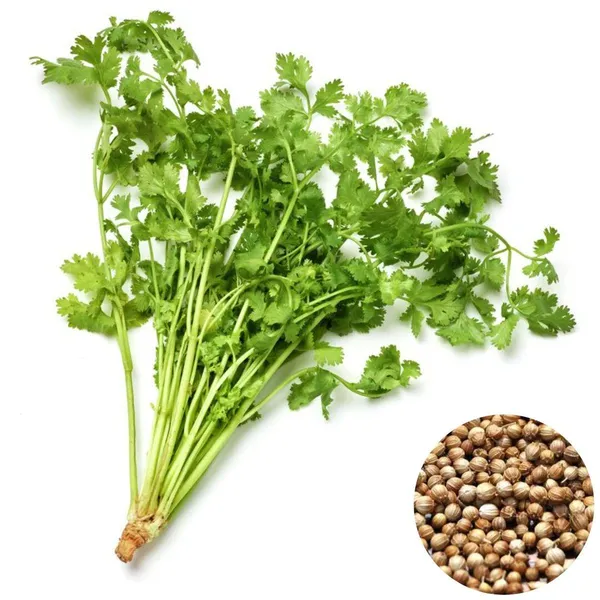
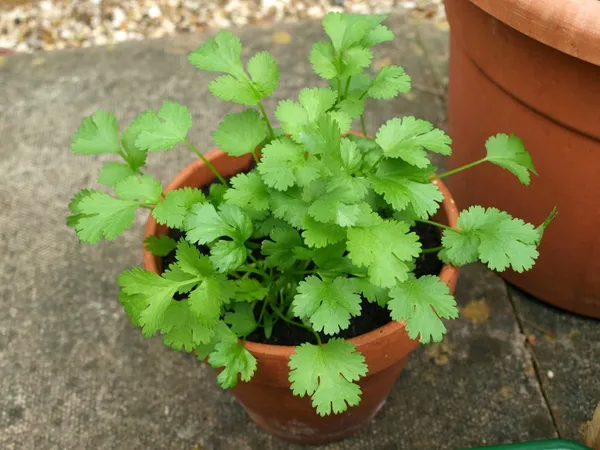
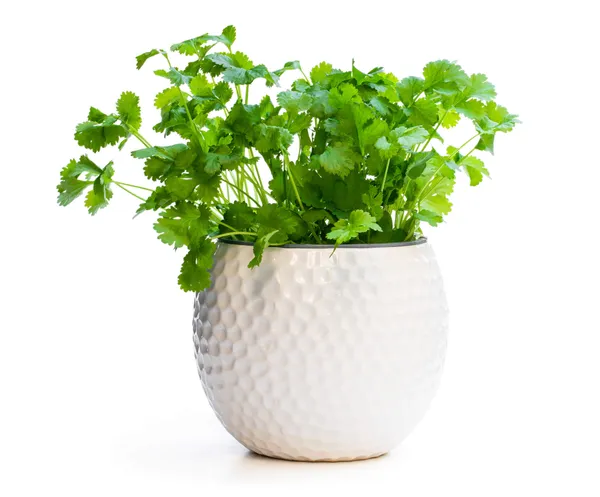
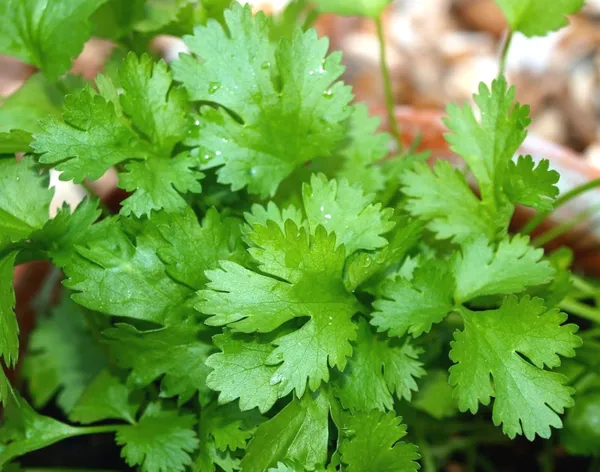
Coriander, also known as cilantro (leaves) or dhania (in Hindi), is a fast-growing herb widely used in culinary and medicinal applications. Germination is relatively easy but benefits from simple preparation.
1. Seed Characteristics
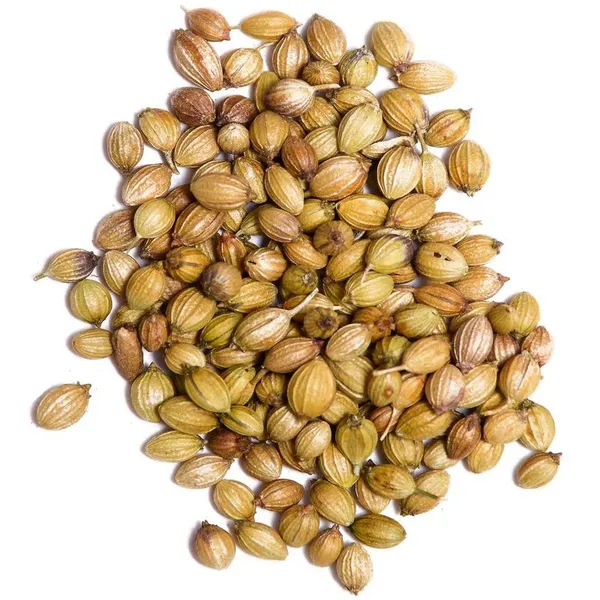
Appearance: Round, beige-colored, ridged seeds. Each "seed" is actually a schizocarp containing two seeds.
Dormancy: Minimal; seeds can germinate quickly under the right conditions.
Pre-treatment (Recommended):
Splitting the seeds: Gently crush or split the seed (schizocarp) into two halves to release individual seeds.
Soaking: Soak in water for 6–12 hours to soften the seed coat and speed up germination.
2. Germination Conditions
Optimal Temperature: 15–25°C (59–77°F).
Soil Type: Well-drained, loamy or sandy soil with good organic matter.
Soil pH: 6.2–6.8.
Light: Seeds germinate in darkness, but seedlings require light once they emerge.
3. Germination Process
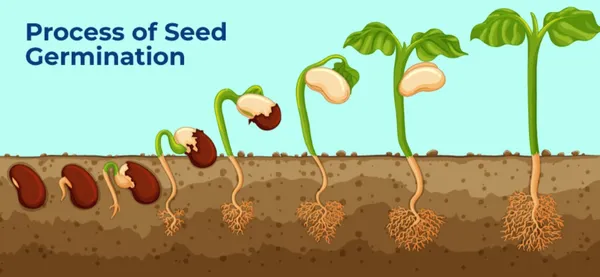
Water Absorption (Imbibition): Seeds absorb moisture and swell.
Radicle Emergence: The root breaks through the seed coat and grows downward.
Plumule Emergence: The shoot grows upward and pushes through the soil.
Seedling Development: Cotyledons emerge first, followed by the first true leaves.
4. Timeline
Germination Time: 7–10 days (can be quicker with pre-treatment).
Thinning: Once seedlings are 2–3 inches tall, thin them to 3–5 inches apart to allow healthy growth.
5. Common Germination Issues
Unsplit Seeds: Whole seeds may germinate slowly or unevenly.
Overwatering: Can lead to seed rot or fungal diseases.
High Temperatures: May cause bolting (premature flowering) in young seedlings.