
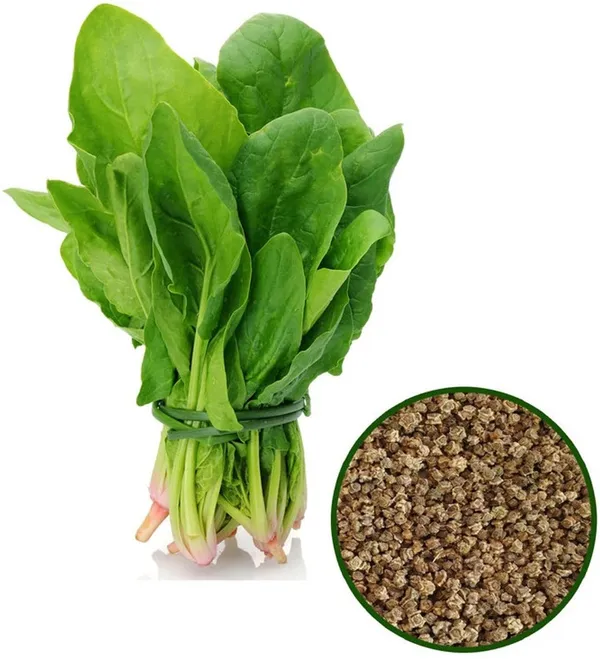
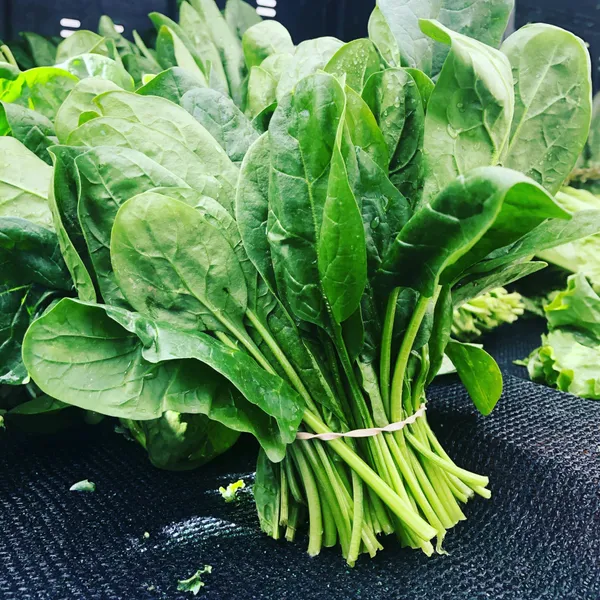
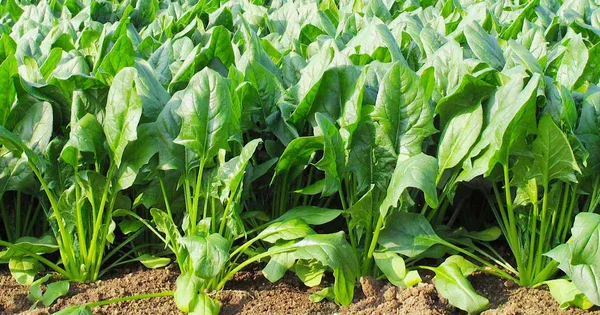
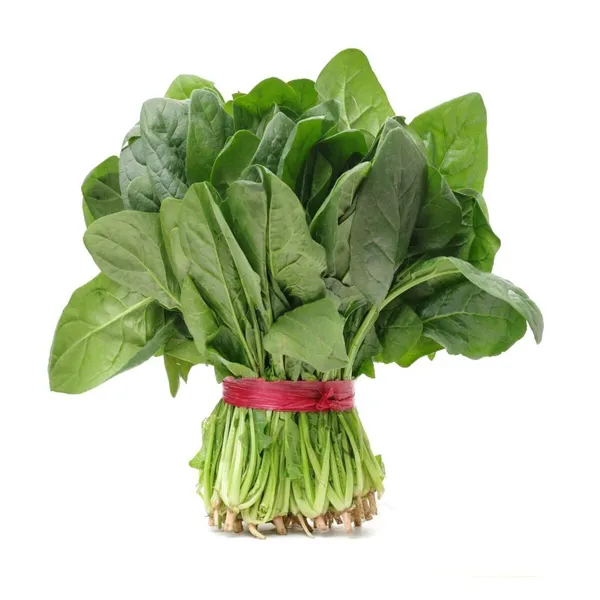

Easy To Grow Spinach/Palak Healthy Vegetable Seeds - 200 gms For Home Garde..More
₹449
₹2,663
83% OffThe Biggest Steals Are Here!
0H:0M:0S
Final Price inclusive of all taxes
Cash on Delivery
Free Delivery
Get it delivered in 4-7 days
size
FREE SIZE
Product Information
Product Type
Live Vegetable Seeds
Country
India
Life Cycle
Alltime
Brand
Aquinnah
Hybrid
Yes
Product Description
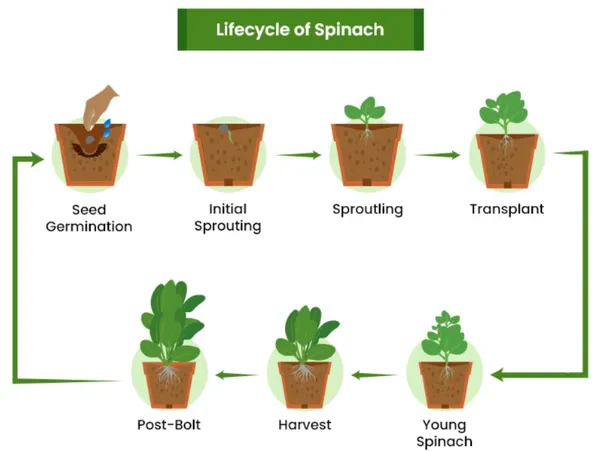
Spinach Seed Germination Description
Spinach (Spinacia oleracea) seed germination is the process through which the seed develops into a young seedling. Here's a step-by-step description of the germination process:
1. Seed Structure
Spinach seeds are small, dry, and contain a hard outer coat. Inside is the embryo (the baby plant), which includes:
Radicle (future root)
Plumule (future shoot)
Cotyledons (seed leaves that store nutrients)
2. Germination Conditions
Spinach seeds require specific conditions to germinate:
Temperature: 10–20°C (50–68°F) is ideal; germination slows at higher temperatures.
Moisture: Constant moisture is essential to soften the seed coat.
Oxygen: Needed for cellular respiration.
Light: Spinach seeds can germinate in light or dark conditions.
3. Stages of Germination
a. Imbibition:
The seed absorbs water, swelling and softening the seed coat.
b. Activation:
Water activates enzymes that begin breaking down stored food in the cotyledons.
c. Radicle Emergence:
The radicle (first root) breaks through the seed coat and grows downward to anchor the plant and absorb water and nutrients.
d. Shoot Emergence:
The plumule (young shoot) pushes upward, eventually emerging from the soil.
e. Seedling Development:
True leaves form, and the seedling begins photosynthesis, becoming independent of stored food.
Timeframe
Germination Time: Typically 5–10 days under optimal conditions.
Soil Depth: Seeds should be sown about ½ inch (1–1.5 cm) deep.
Spacing: Thin seedlings to 2–4 inches apart as they grow.