
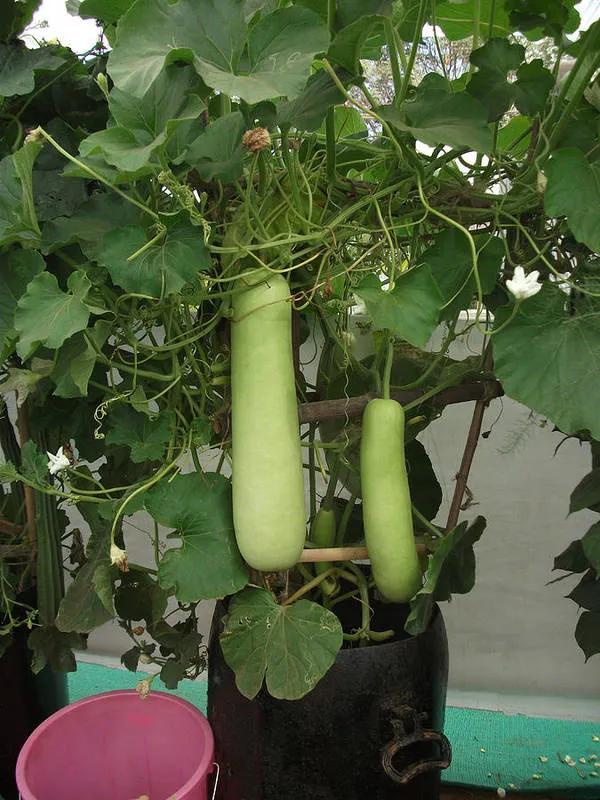
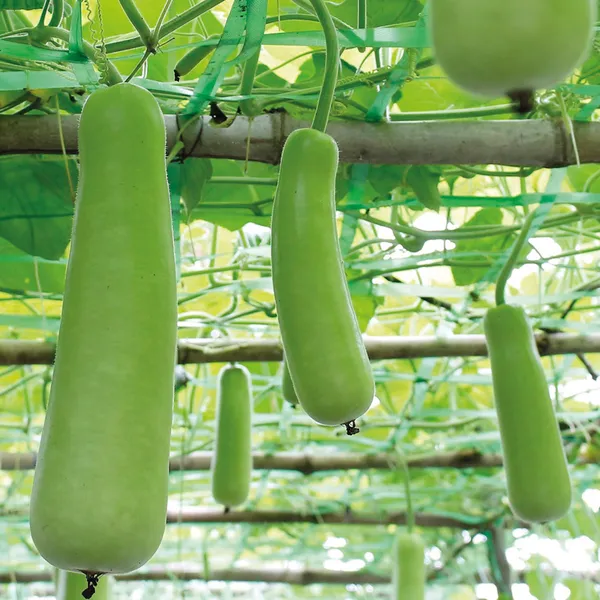
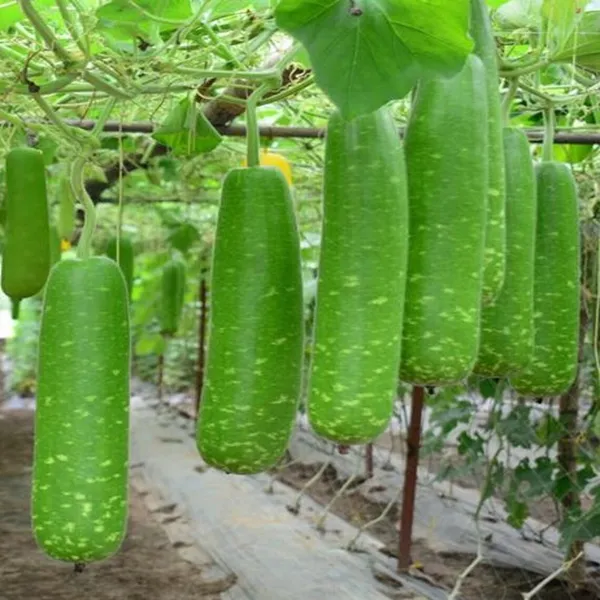

Long Bottle Gourd/Lauki Fast-Growing Seeds - 200 gms For Home Garden (Pack ..More
₹449
₹2,663
83% OffHurry Up, Shop Now!
0H:0M:0S
Final Price inclusive of all taxes
Cash on Delivery
Free Delivery
Get it delivered in 4-7 days
size
FREE SIZE
Product Information
Product Type
Live Vegetable Seeds
Country
India
Life Cycle
Alltime
Brand
Aquinnah
Hybrid
Yes
Product Description
Bottle Gourd (Lagenaria siceraria) Seed Germination – Description
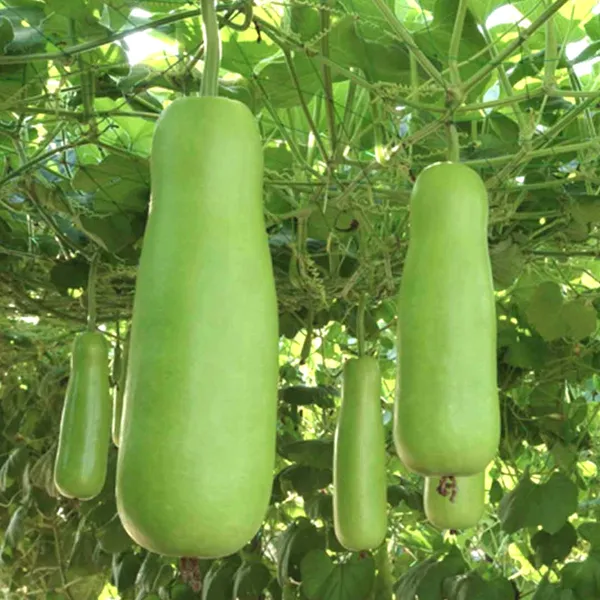
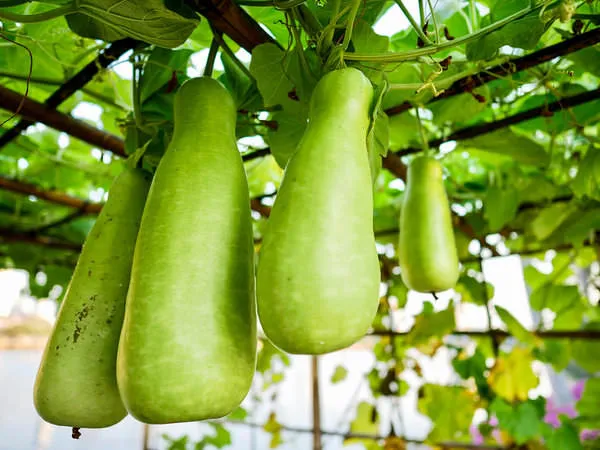
Bottle gourd, also known as calabash or lauki/sorakaya, is a fast-growing vine cultivated for its edible fruits. It germinates relatively easily under warm and moist conditions.
1. Seed Characteristics
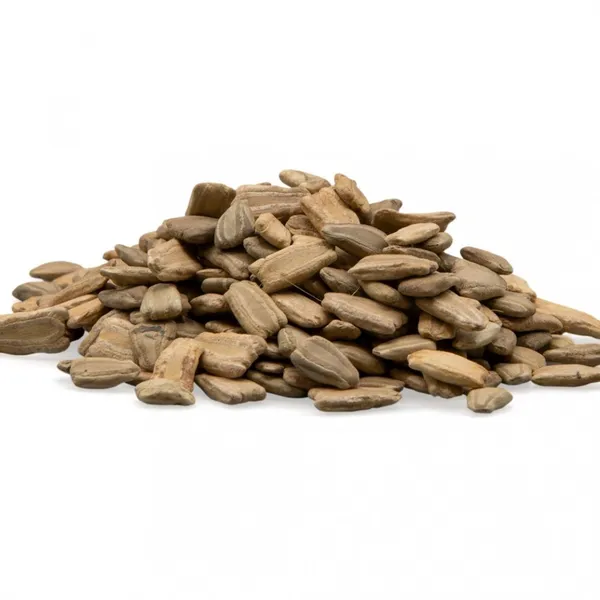
Appearance: Large, oval to elongated seeds with a hard outer coat; cream to light brown in color.
Dormancy: Mild — soaking seeds helps speed up germination.
Viability: Seeds remain viable for 1–2 years under proper storage.
2. Pre-treatment (Recommended)
To improve germination rate and speed:
Soaking: Soak seeds in warm water for 12–24 hours to soften the seed coat.
Scarification (optional): Lightly rub the seed coat with sandpaper or make a small nick to aid water absorption.
3. Germination Conditions
Optimal Temperature: 25–35°C (77–95°F) – bottle gourd needs warm soil to sprout.
Soil Type: Well-drained, fertile sandy loam or loam soil.
Soil pH: 6.0–7.5.
Light: Germination occurs in darkness, but light is required post-emergence for seedling development.
4. Germination Process
Imbibition: Seeds absorb water and swell, activating internal enzymes.
Radicle Emergence: The root breaks through the seed coat and grows downward.
Plumule Emergence: The shoot grows upward toward the surface.
Seedling Development: Cotyledons open, followed by the first true leaves within days.
5. Timeline
Germination Time: Typically 5–10 days under optimal conditions.
Seedling Readiness: Transplant or thin seedlings after 2–3 weeks, when they have 2–3 true leaves.
6. Common Germination Issues
Hard Seed Coat: Causes delayed germination if not soaked or scarified.
Low Temperature: Slows or halts germination.
Overwatering: Can lead to seed rot or fungal infections like damping-off.
Bottle gourd, also known as calabash or lauki/sorakaya, is a fast-growing vine cultivated for its edible fruits. It germinates relatively easily under warm and moist conditions.
1. Seed Characteristics
Appearance: Large, oval to elongated seeds with a hard outer coat; cream to light brown in color.
Dormancy: Mild — soaking seeds helps speed up germination.
Viability: Seeds remain viable for 1–2 years under proper storage.
2. Pre-treatment (Recommended)
To improve germination rate and speed:
Soaking: Soak seeds in warm water for 12–24 hours to soften the seed coat.
Scarification (optional): Lightly rub the seed coat with sandpaper or make a small nick to aid water absorption.
3. Germination Conditions
Optimal Temperature: 25–35°C (77–95°F) – bottle gourd needs warm soil to sprout.
Soil Type: Well-drained, fertile sandy loam or loam soil.
Soil pH: 6.0–7.5.
Light: Germination occurs in darkness, but light is required post-emergence for seedling development.
4. Germination Process
Imbibition: Seeds absorb water and swell, activating internal enzymes.
Radicle Emergence: The root breaks through the seed coat and grows downward.
Plumule Emergence: The shoot grows upward toward the surface.
Seedling Development: Cotyledons open, followed by the first true leaves within days.
5. Timeline
Germination Time: Typically 5–10 days under optimal conditions.
Seedling Readiness: Transplant or thin seedlings after 2–3 weeks, when they have 2–3 true leaves.
6. Common Germination Issues
Hard Seed Coat: Causes delayed germination if not soaked or scarified.
Low Temperature: Slows or halts germination.
Overwatering: Can lead to seed rot or fungal infections like damping-off.