

Radish Seeds - 200 gms For Home Garden (Pack Of 1) First Harvest Within 25–..More
₹449
₹2,663
83% OffThe Biggest Steals Are Here!
0H:0M:0S
Final Price inclusive of all taxes
Cash on Delivery
Free Delivery
Get it delivered in 4-7 days
size
FREE SIZE
Product Information
Product Type
Live Vegetable Seeds
Country
India
Life Cycle
Alltime
Brand
Aquinnah
Hybrid
Yes
Product Description
Radish (Raphanus sativus) Seed Germination – Description
Radish is a fast-growing root vegetable, ideal for beginner gardeners due to its quick and reliable germination. It thrives in cool seasons and doesn't require much pre-treatment for successful sprouting.
1. Seed Characteristics
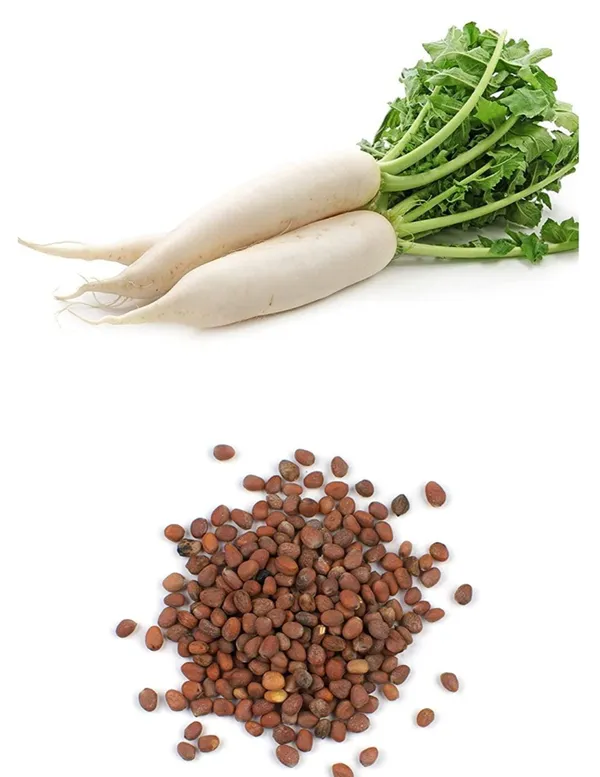
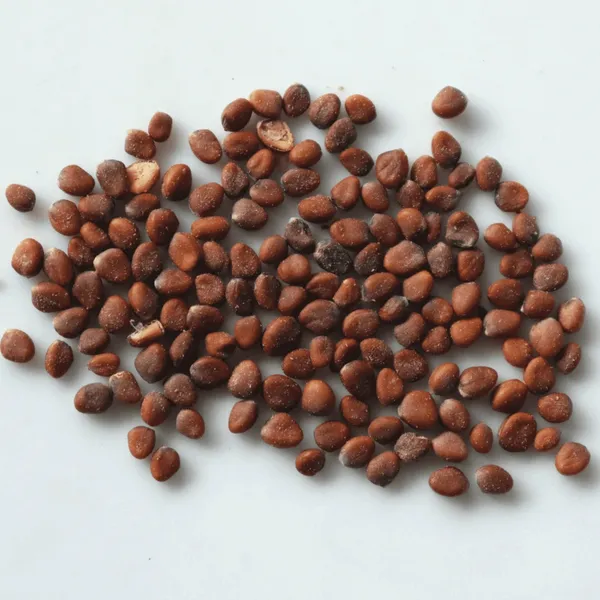
Appearance: Small, round to oval seeds; light brown or grayish in color with a smooth texture.
Dormancy: None — radish seeds germinate quickly after sowing.
Pre-treatment: Not necessary, but soaking in water for 4–6 hours can slightly speed up germination.
2. Germination Conditions
Optimal Temperature: 15–25°C (59–77°F).
Soil Type: Loose, well-drained loamy or sandy soil that allows root development.
Soil pH: 6.0–7.0.
Light: Seeds germinate in darkness but need sunlight once seedlings emerge.
3. Germination Process
Imbibition: Seeds absorb water, swell, and activate metabolic processes.
Radicle Emergence: The root breaks through the seed coat and grows downward.
Plumule Emergence: The shoot pushes upward.
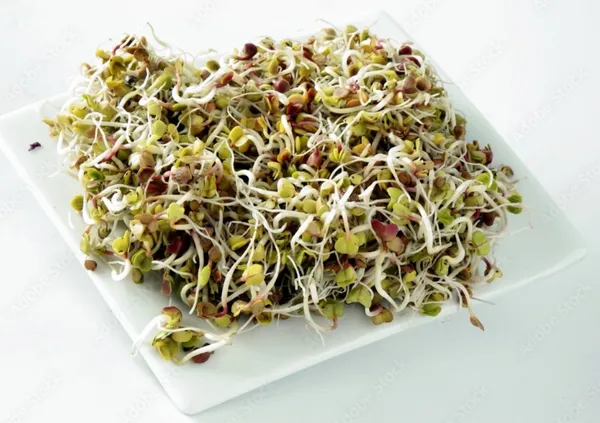
Seedling Development: Cotyledons emerge within a few days, followed by true leaves.
4. Timeline
Germination Time: 3–7 days (very fast compared to many vegetables).
Thinning: Thin seedlings when they are 2 inches (5 cm) tall, spacing them 2–4 inches apart to allow root expansion.
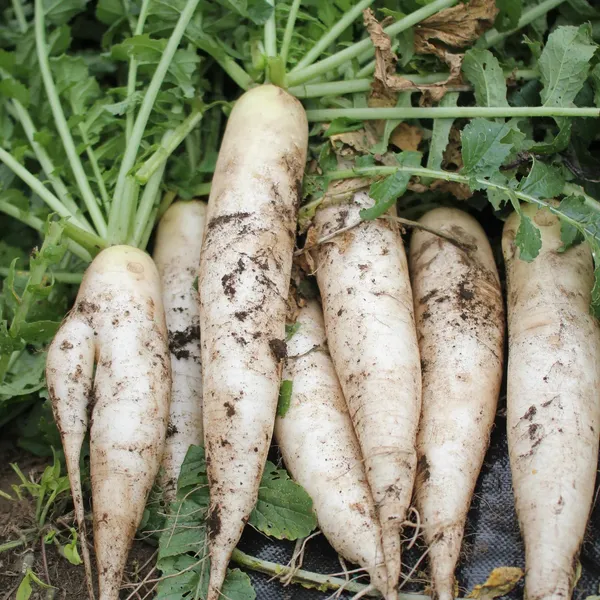
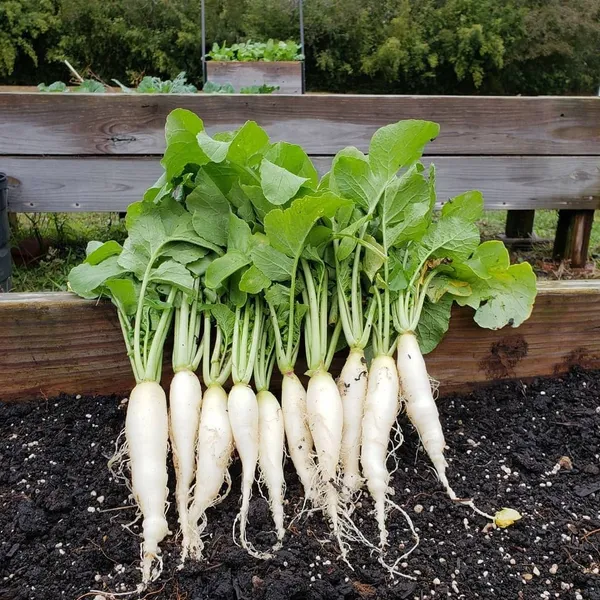
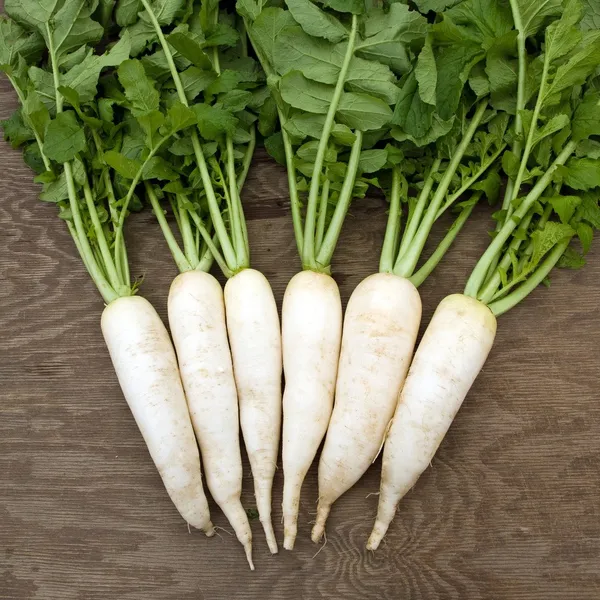
Harvest: Radishes are often ready to harvest within 25–40 days of sowing.
5. Common Germination Issues
Compact or heavy soil: Can restrict root and shoot development.
Excess moisture: May cause damping-off (fungal seedling disease).
High temperatures: Can result in poor germination and premature bolting.
Tips for Success:
Sow directly into final growing space — radishes don’t transplant well.
Keep soil evenly moist during germination.
Succession sow every 1–2 weeks for a continuous harvest.