
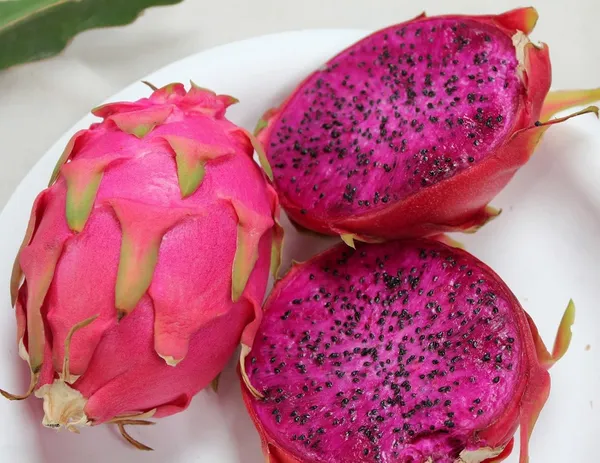
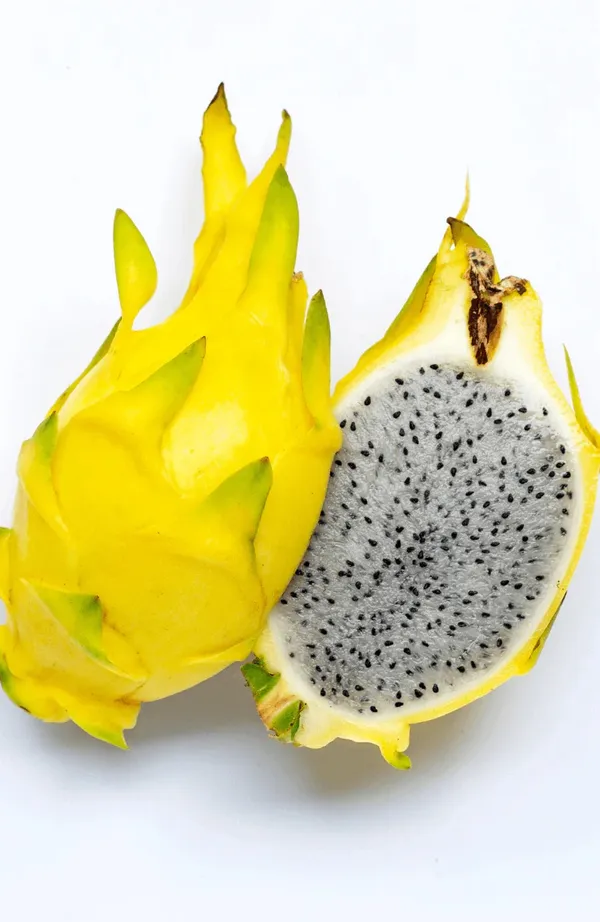
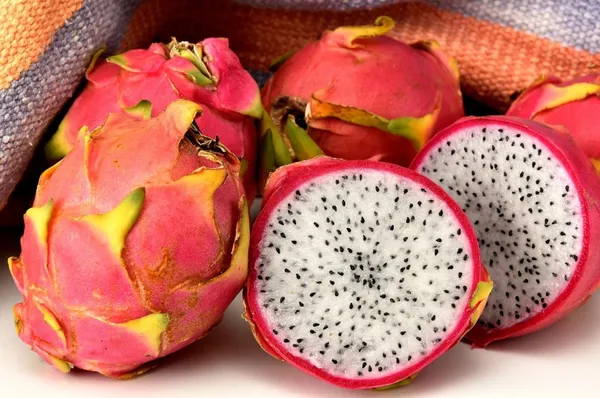
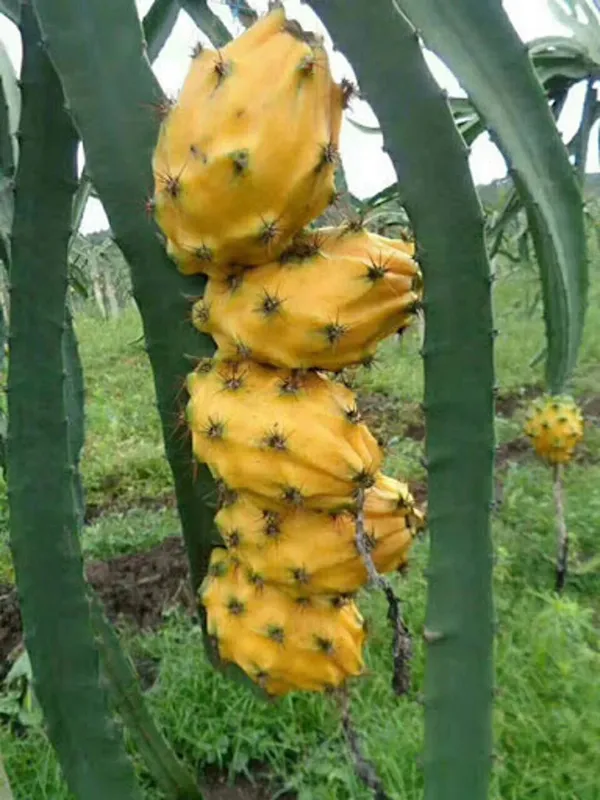
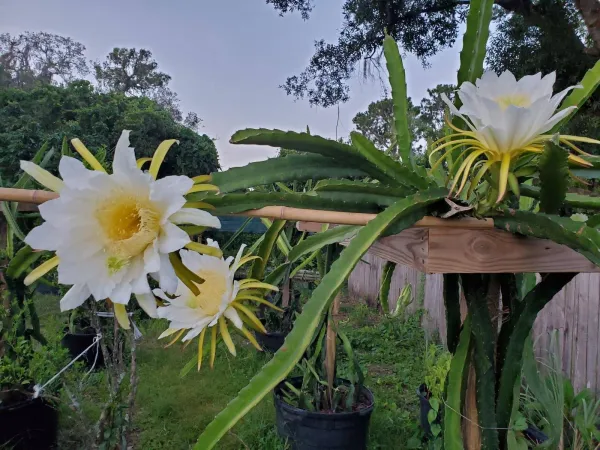
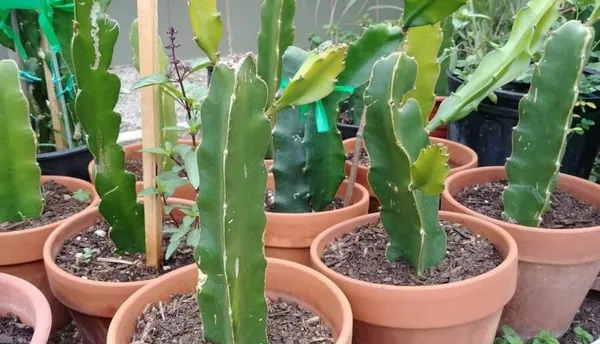

Well Condition White,Pink,Yellow Dragon Fruit Plant (1.5-2 Ft Height) Combo..More
₹599
₹4,663
87% OffHurry Up, Shop Now!
0H:0M:0S
Final Price inclusive of all taxes
Cash on Delivery
Free Delivery
Get it delivered in 4-7 days
size
FREE SIZE
Product Information
Product Type
Live Fruit Plant
Life Cycle
Annual
Brand
Aquinnah
Hybrid
Yes
Country
India
Product Description
Here's a comprehensive and clear description of the dragon fruit plant:
Dragon Fruit Plant Description
The dragon fruit plant (Hylocereus spp.), also known as pitaya or pitahaya, is a tropical climbing cactus grown for its striking, exotic fruit and large, beautiful flowers. Native to Central and South America, it is now cultivated in many tropical and subtropical regions worldwide.
Key Characteristics:
Plant Type:
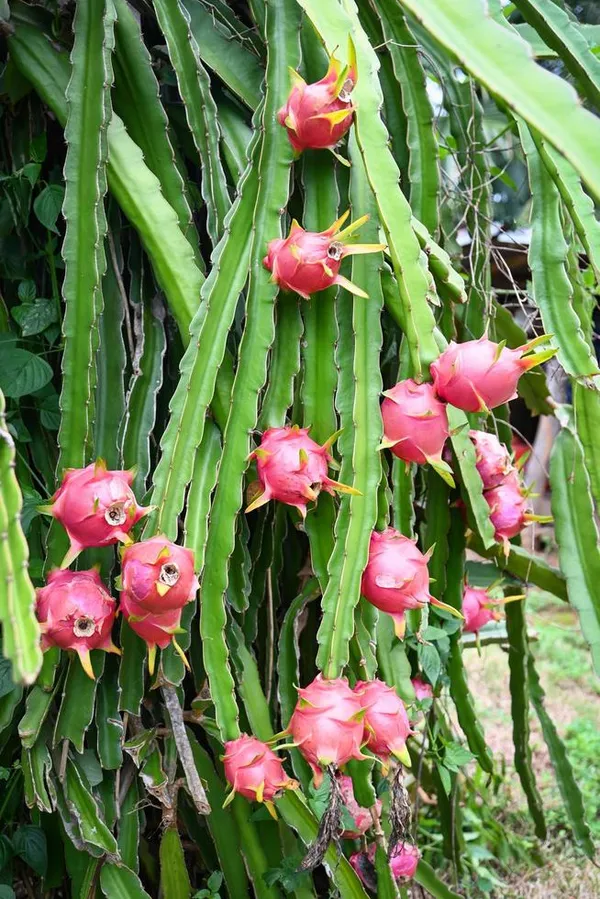
A fast-growing, epiphytic or climbing cactus with sprawling, vining stems.
Common species include Hylocereus undatus (white flesh), Hylocereus costaricensis (red flesh), and Hylocereus megalanthus (yellow skin, white flesh).
Stems:
Triangular (three-sided), fleshy green stems with wavy or scalloped edges.
Margins are lined with small spines or thorns and aerial roots that help the plant climb.
Can grow several meters long if supported.
Leaves:
True leaves are absent; the plant uses its flattened stem segments for photosynthesis.
Flowers:
Large, fragrant, night-blooming flowers measuring up to 25–30 cm (10–12 inches) in length.
White petals with a funnel-shaped form; blooms last only one night.
Pollinated by bats, moths, bees, or hand-pollination in cultivation.
Fruit:
The fruit is oval or oblong, about 10–15 cm (4–6 inches) long.
Skin colors vary: bright pink, red, or yellow, often with scale-like green tips.
Flesh can be white, red, or deep magenta, speckled with numerous tiny black edible seeds.
Taste is mildly sweet and refreshing, similar to kiwi or melon.
Growing Conditions:
Climate: Thrives in warm, tropical or subtropical climates; sensitive to frost.
Soil: Prefers well-drained, sandy or loamy soils with slightly acidic to neutral pH.
Sunlight: Requires full sun for best growth and fruiting.
Watering: Needs moderate watering; drought-tolerant but benefits from consistent moisture during fruit development. Avoid waterlogging.
Uses:
Culinary:
Eaten fresh or used in smoothies, fruit bowls, juices, and desserts.
Visually attractive and often used as a garnish or decorative food element.
Nutritional:
Low in calories, high in vitamin C, fiber, antioxidants, and hydrating water content.
Ornamental:
Grown for its spectacular flowers, unique form, and decorative value in gardens or containers.
Let me know if you want a simplified version for kids, signage, or a more technical one for agricultural or botanical contexts.
Dragon Fruit Plant Description
The dragon fruit plant (Hylocereus spp.), also known as pitaya or pitahaya, is a tropical climbing cactus grown for its striking, exotic fruit and large, beautiful flowers. Native to Central and South America, it is now cultivated in many tropical and subtropical regions worldwide.
Key Characteristics:
Plant Type:
A fast-growing, epiphytic or climbing cactus with sprawling, vining stems.
Common species include Hylocereus undatus (white flesh), Hylocereus costaricensis (red flesh), and Hylocereus megalanthus (yellow skin, white flesh).
Stems:
Triangular (three-sided), fleshy green stems with wavy or scalloped edges.
Margins are lined with small spines or thorns and aerial roots that help the plant climb.
Can grow several meters long if supported.
Leaves:
True leaves are absent; the plant uses its flattened stem segments for photosynthesis.
Flowers:
Large, fragrant, night-blooming flowers measuring up to 25–30 cm (10–12 inches) in length.
White petals with a funnel-shaped form; blooms last only one night.
Pollinated by bats, moths, bees, or hand-pollination in cultivation.
Fruit:
The fruit is oval or oblong, about 10–15 cm (4–6 inches) long.
Skin colors vary: bright pink, red, or yellow, often with scale-like green tips.
Flesh can be white, red, or deep magenta, speckled with numerous tiny black edible seeds.
Taste is mildly sweet and refreshing, similar to kiwi or melon.
Growing Conditions:
Climate: Thrives in warm, tropical or subtropical climates; sensitive to frost.
Soil: Prefers well-drained, sandy or loamy soils with slightly acidic to neutral pH.
Sunlight: Requires full sun for best growth and fruiting.
Watering: Needs moderate watering; drought-tolerant but benefits from consistent moisture during fruit development. Avoid waterlogging.
Uses:
Culinary:
Eaten fresh or used in smoothies, fruit bowls, juices, and desserts.
Visually attractive and often used as a garnish or decorative food element.
Nutritional:
Low in calories, high in vitamin C, fiber, antioxidants, and hydrating water content.
Ornamental:
Grown for its spectacular flowers, unique form, and decorative value in gardens or containers.
Let me know if you want a simplified version for kids, signage, or a more technical one for agricultural or botanical contexts.